Direct connection
Describe the problem once
Instead of repeating the story to multiple companies, you share the key details one time and get connected with a contractor who handles water damage restoration.
Serving Indianapolis, Indiana & surrounding areas
Calls answered around the clock
Water Damage Restoration · Indianapolis
Describe what happened once and we'll connect you with a local contractor who handles drying, cleanup, and rebuild coordination for water-damaged homes.
CALL NOW: 463-223-9506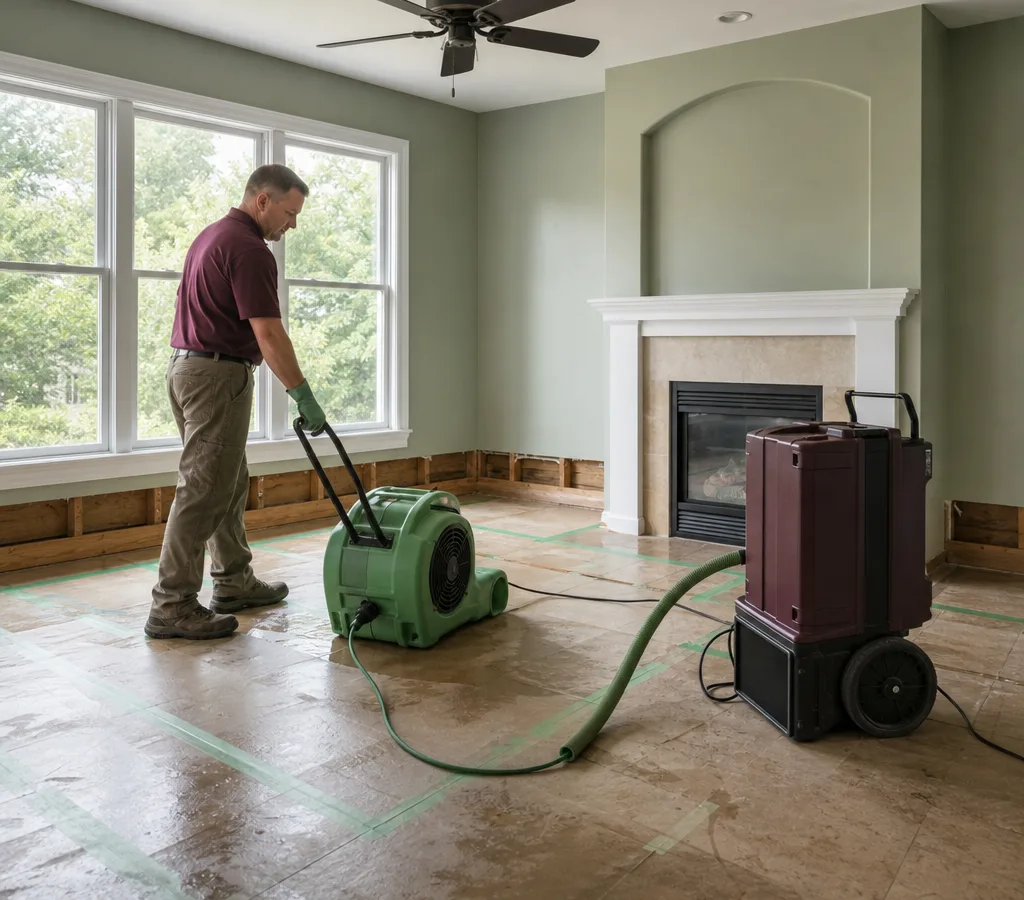
Restoration scope
Water damage restoration in Indianapolis is the process of stopping the water source, removing water, drying the structure, cleaning affected materials, and repairing what cannot be saved. The right next step depends on where the water traveled and how long materials stayed wet.
A contractor typically starts with three questions that drive the plan:
In many Indianapolis homes, basements and lower levels are the first to show problems after heavy rain, foundation seepage, or a failed sump pump. Older housing stock and finished basements also mean water can end up inside layers: paneling, insulation, and subflooring.
If you're also dealing with musty odor or visible spotting, mold may be part of the scope. Mold removal is usually tied to the same fundamentals: remove the wet source, dry thoroughly, and clean or remove contaminated materials. Once you know what materials are involved, the drying and repair plan can account for any separate mold-cleanup work.
A simpler restoration connection
Direct connection
Instead of repeating the story to multiple companies, you share the key details one time and get connected with a contractor who handles water damage restoration.
Flooded basements, slab and crawlspace issues, and winter pipe leaks all show up here. The contractor you speak with will ask the right questions for your home type.
You talk directly with the contractor, hear their plan, and decide whether to move forward.
A good restoration plan separates what can be dried and cleaned from what needs removal and rebuild so the work stays organized.
From a supply-line break under a sink to stormwater intrusion, the right starting point is the same: stop the source, document conditions, and dry the structure.
From water source to rebuild
The first priority is controlling the source through a shutoff, temporary patch, or isolation of a failing appliance line. If water reached outlets or a panel area, power decisions are handled before work continues.
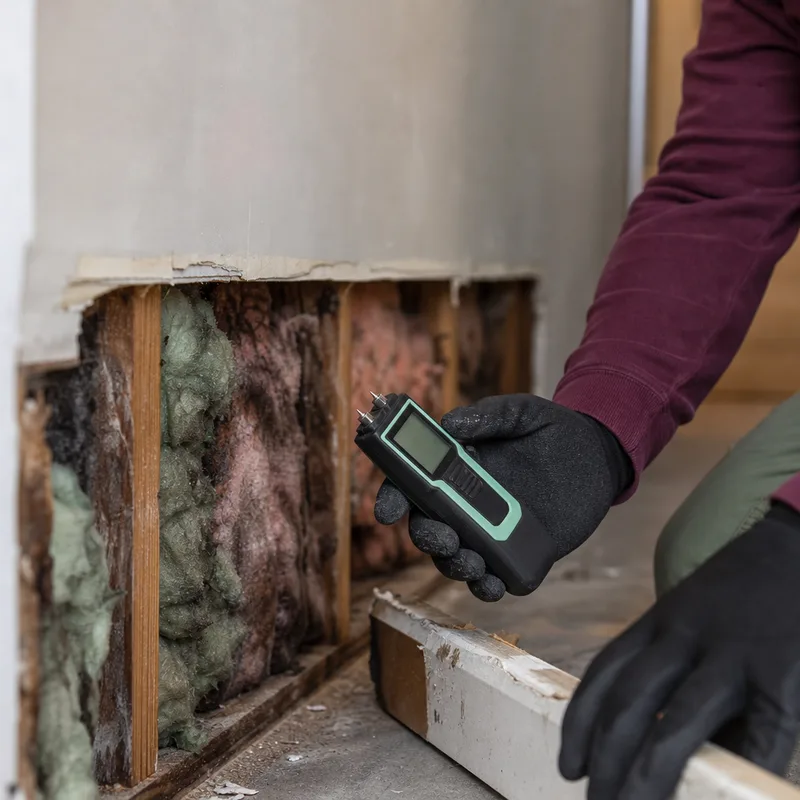
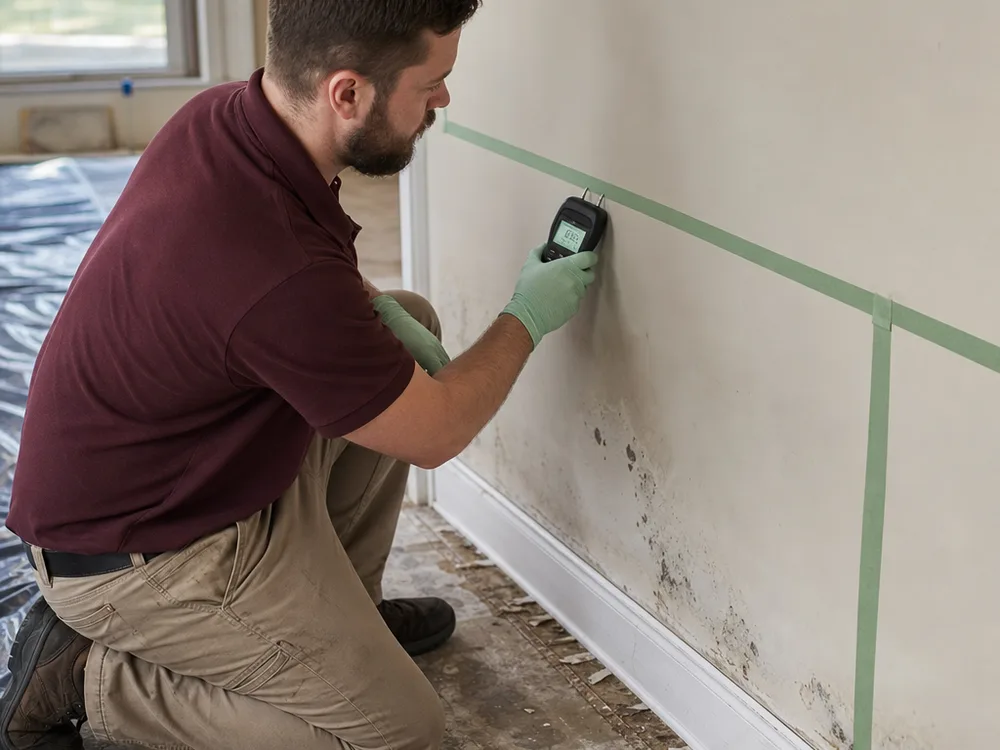
The contractor looks at flooring type, drywall height, insulation, cabinetry, and how far water migrated. Moisture readings help set drying targets and identify hidden pockets.
Padding, swollen particleboard, delaminated laminate, and compromised drywall often come out so trapped water does not linger. Standing water is extracted to reduce the drying load.
Drying is a managed process. Equipment placement matters, and containment may be used to keep air movement focused. The contractor should explain what areas are being dried and why.
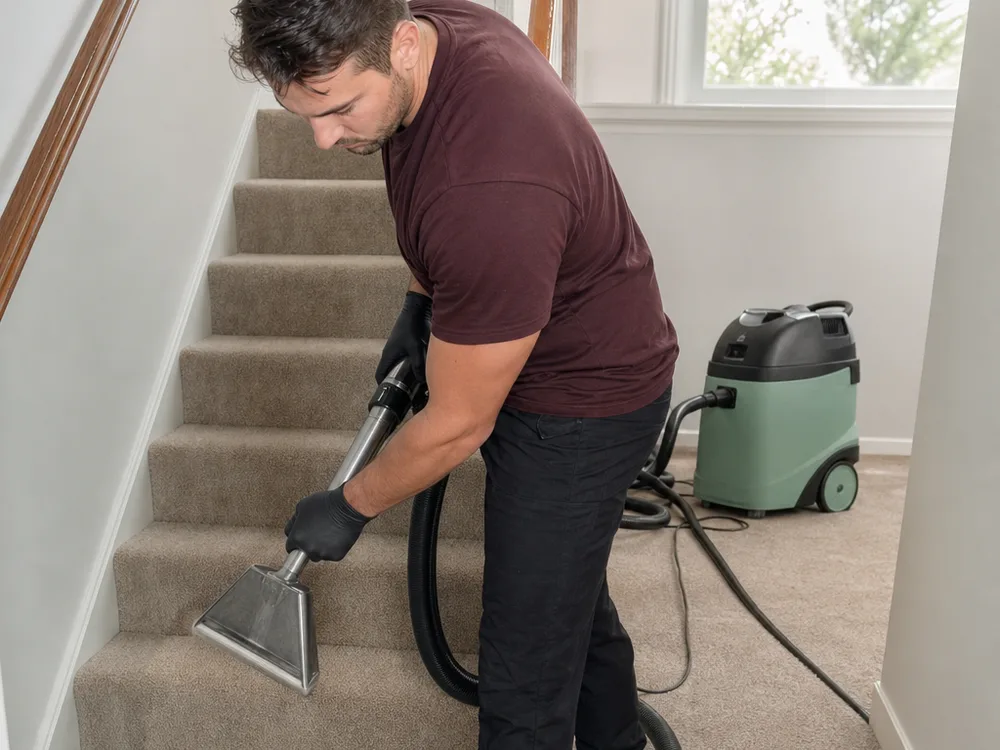
Cleaning depends on the water category and materials involved. If microbial growth is found, the contractor may isolate the area, remove affected porous materials, and clean remaining framing or masonry before drying continues.
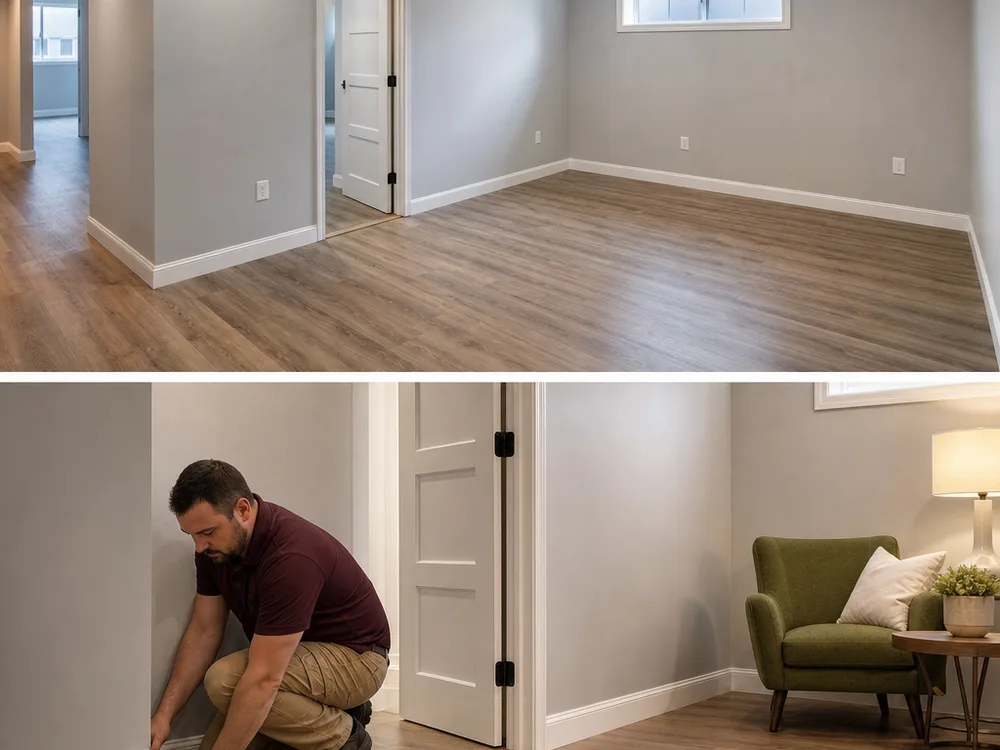
Once dry goals are met, rebuild work can start: drywall replacement, baseboards, flooring transitions, cabinet toe kicks, and paint. Some contractors handle both restoration and rebuild; others coordinate with a separate trade.
If you're dealing with wet carpet, bubbling floors, stained ceilings, or a basement that won't dry out, a short phone call is usually enough to get matched with a local contractor who can walk you through next steps.
CALL NOW: 463-223-9506Before restoration begins
Be ready to describe the water source, what rooms are affected, and what materials got wet, such as carpet, hardwood, drywall, or cabinets. Also mention if it's a basement or lower-level issue and whether a sump pump or floor drain is involved, because that changes how water may have moved through the space.
Swelling at baseboards, soft drywall, cupping in wood, and persistent musty odor are common clues. A contractor typically confirms hidden migration with moisture readings along the perimeter, around door thresholds, and at plumbing penetrations where water often travels.
Not always, but drywall and insulation are often the deciding materials because they trap moisture. The contractor will look at how high water wicked, how long it stayed wet, and whether the water was contaminated; those factors guide whether drying is realistic or removal is the safer route.
Drying focuses on removing moisture from framing, subfloors, and cavities so the structure is ready for repairs. Full restoration includes controlled demolition if needed, cleaning, possible mold-related work, and rebuilding finishes like drywall, trim, and flooring.
Mold becomes part of the scope when moisture persists long enough for growth or when materials are already showing spotting or odor. The contractor may isolate the affected area, remove porous materials that cannot be cleaned, and clean remaining surfaces before and during continued drying.
A drain or sewer backup changes cleaning and removal decisions because contaminated water can soak into porous materials. Contractors often recommend broader removal of items like padding, baseboards, and lower drywall, followed by targeted cleaning and drying of the structure.
Some contractors handle both restoration and rebuild work, while others complete drying and cleanup and then coordinate with a separate remodeling or flooring trade. When you get connected, ask who handles drywall, flooring, and trim so you know what the handoff looks like.
Indianapolis Mold Removal takes your call, gets the basics about the water damage, and connects you with an independent local contractor who works on restoration projects in the Indianapolis area. You discuss scope directly with that contractor and decide whether to proceed.
Your next step
Tell us what leaked or flooded, what areas are wet, and what you've done so far. We'll connect you with a local water damage restoration contractor who can explain the next steps for drying, cleanup, and repairs.
Not sure this is the service you need? Start on the Indianapolis Mold Removal home page to see every service we can connect you with in Indianapolis, Indiana.