Direct connection
Describe it once
You give the symptoms—odor, staining, past leaks, health concerns, and where you've seen growth—and get connected with a contractor who handles inspections.
Serving Indianapolis, Indiana & surrounding areas
Calls answered around the clock
Mold Inspection · Indianapolis
Describe what you're seeing once and get connected with a local contractor who handles mold inspections in Indianapolis homes and businesses.
CALL NOW: 463-223-9506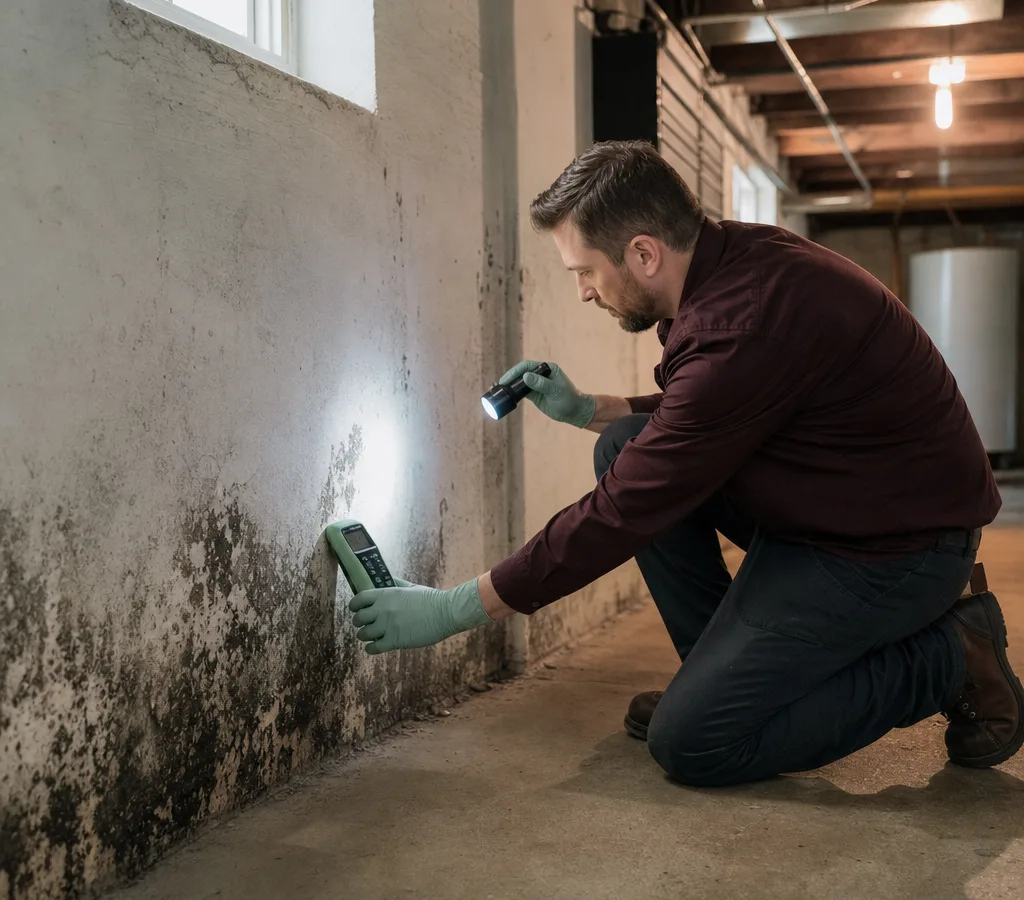
Inspection scope
A proper mold inspection is an investigation into moisture and building materials, not a quick glance for spots on drywall. If you're searching for mold inspection Indianapolis, you're usually trying to answer a few practical questions: Is this actually mold? How far does it go? What caused it? What needs to happen next?
When Indianapolis Mold Removal connects you with a local contractor for an inspection, the visit typically focuses on:
At the end, you should have clear takeaways: the likely moisture source, which areas are most affected, whether containment or material removal may be needed, and what trades might be involved next. Inspection finds the problem; remediation removes contaminated material and addresses moisture conditions.
When you're ready to talk it through, one call lets you explain the situation once and get routed to an Indianapolis mold inspection contractor who can take it from there.
A simpler inspection connection
Direct connection
You give the symptoms—odor, staining, past leaks, health concerns, and where you've seen growth—and get connected with a contractor who handles inspections.
Indianapolis homes with basements, older masonry, or humid summer conditions often need moisture-first troubleshooting, not guesswork.
A good inspection points to the moisture source and what should happen next, whether that's drying, repairs, sampling, or remediation planning.
You speak with the contractor directly, ask questions, and decide whether to move forward after you understand the findings.
Inspections can be scoped for a single room, a full building walkthrough, or a targeted issue like a recurring HVAC odor.
From symptoms to next steps
Describe where you see staining or growth, any musty odor, recent water events, and whether it's a basement, bathroom, attic, or around windows. Mention sensitivity concerns so the contractor can plan the visit.
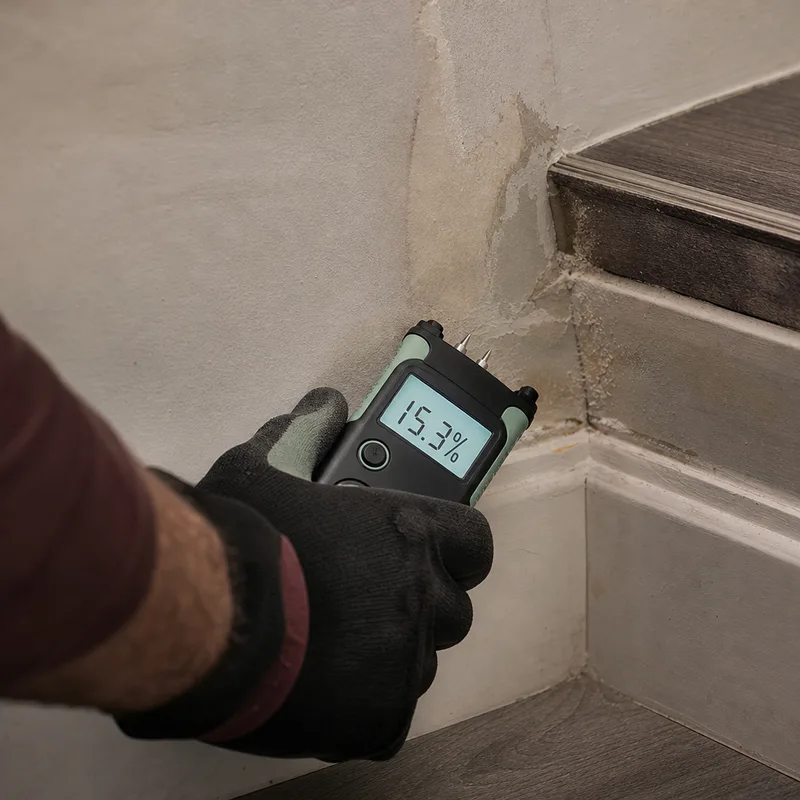
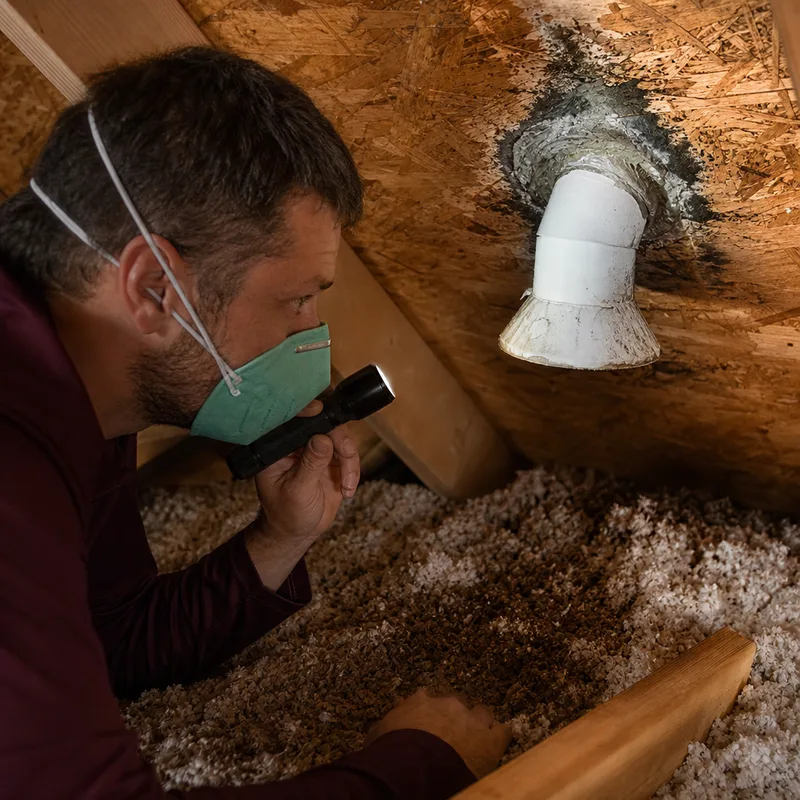
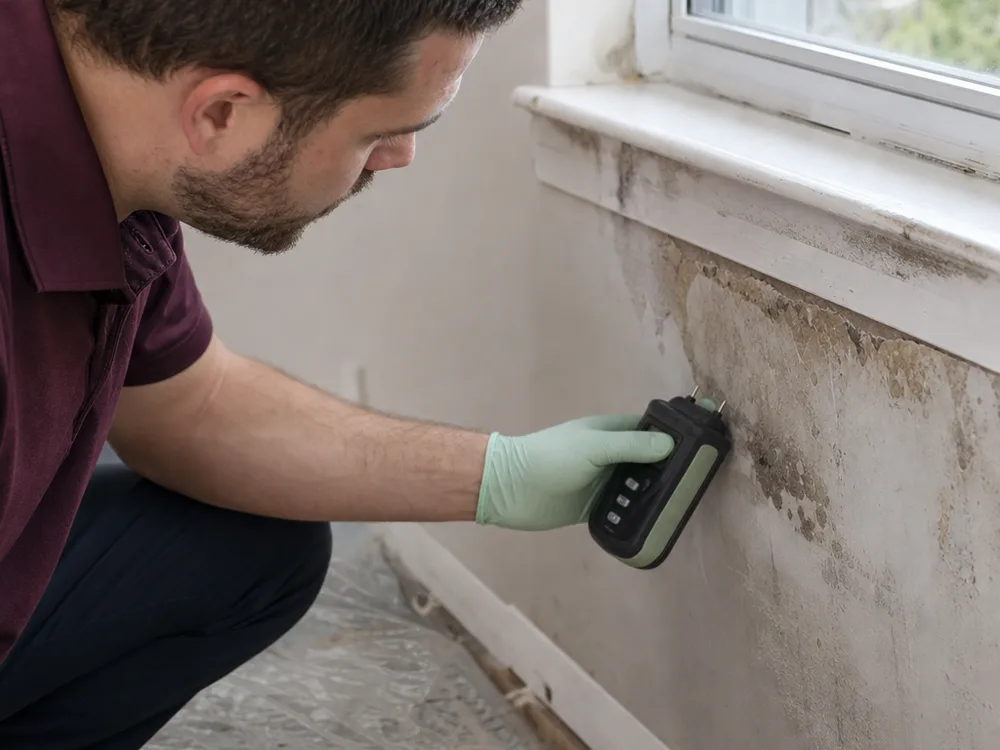
The contractor walks the affected areas, checks likely moisture paths, and takes readings on materials. If sampling makes sense, they'll explain what type and why before collecting anything.
You'll review what looks like active moisture versus old damage, what materials are likely impacted, and what needs to be opened up, if anything, to confirm hidden conditions.
If remediation is recommended, the contractor can outline containment basics, what materials may need removal, and the order of operations: fix the moisture source, dry, then remove or clean affected materials.
If you've got a musty smell, visible spots, or a history of leaks, a mold inspection is the quickest way to turn symptoms into a clear plan. Describe what's going on once and get connected with a local Indianapolis contractor who does this work.
CALL NOW: 463-223-9506Before the inspection
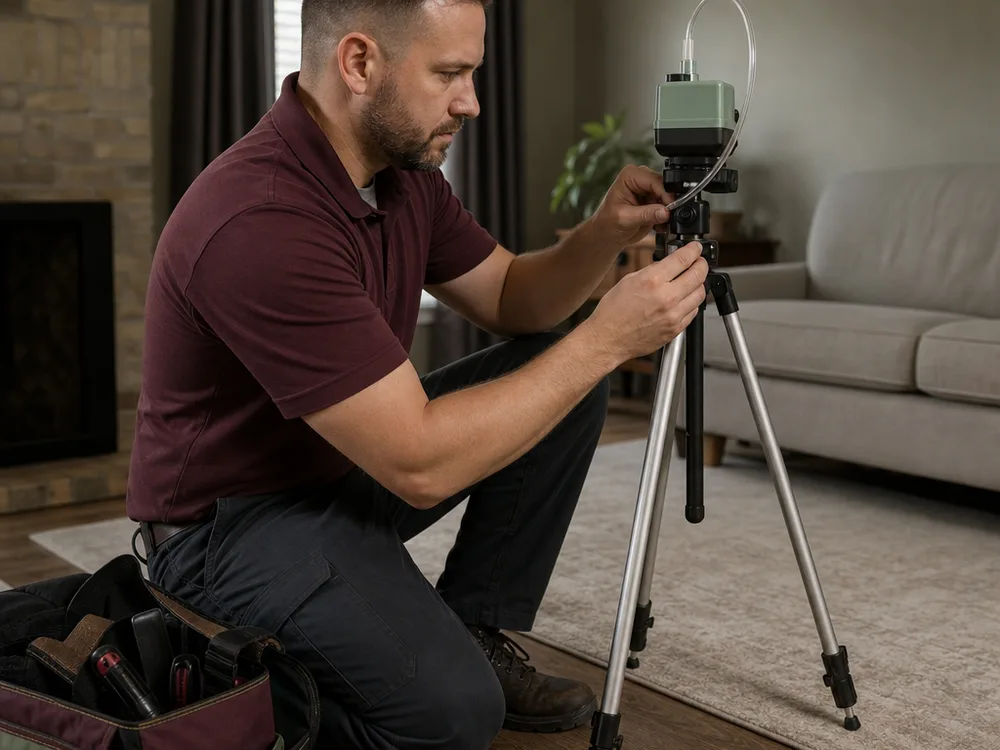
Many situations can be assessed with a moisture-focused inspection plus a close look at affected materials, and testing is added when it changes the decision. Sampling may help when growth is hidden, when there are competing sources, or when you need documentation. The contractor can explain whether sampling helps for your case.
Leave the suspect area as-is and avoid heavy cleaning with bleach or strong chemicals right before the visit. Clear access to the area and gather any details on past leaks, roof work, or plumbing repairs.
An inspection can identify strong indicators of hidden moisture using meters, thermal imaging, and building patterns, but it cannot confirm what's inside a closed cavity without access. The contractor may recommend a small targeted opening before larger work is planned.
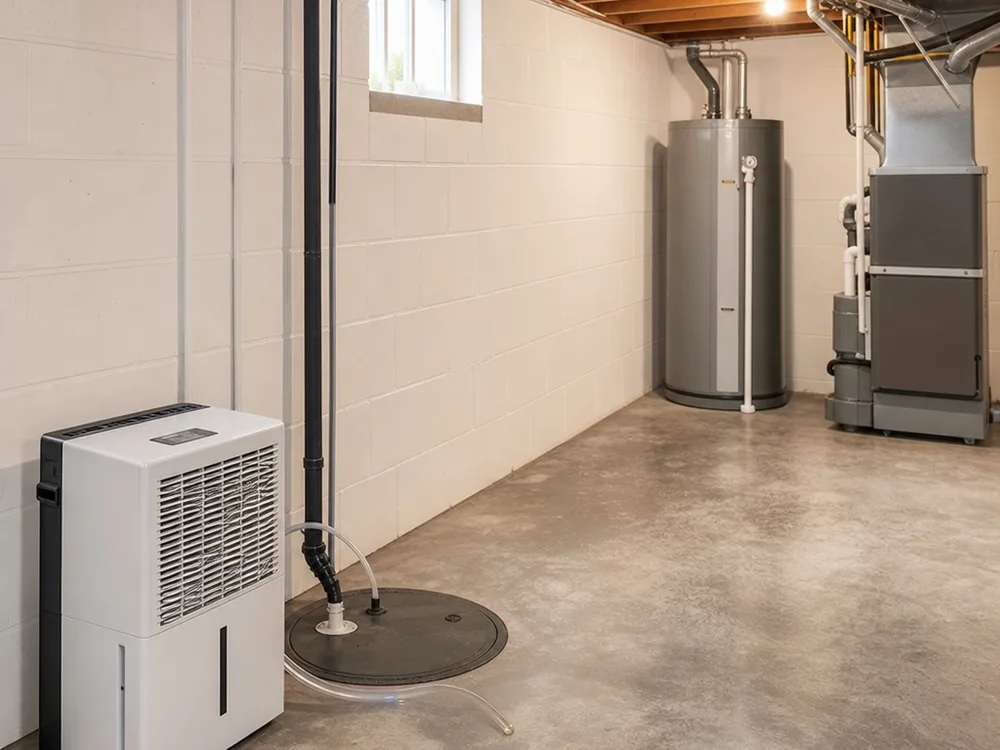
Basements and lower-level areas are common because they can stay humid and sit closer to foundation moisture and drainage issues. Bathrooms and laundry rooms also show problems when exhaust is weak or small supply leaks go unnoticed.
A musty odor usually pushes the inspection toward moisture tracing around plumbing penetrations, HVAC returns, sump and drainage areas, window sills, and spots where materials stay damp. The contractor may also check attic framing, insulation, carpeting, and pad.
Start with the inspection so you know what's actually affected and why it happened. If remediation is needed, you can discuss scope and containment with the contractor you're connected with, then decide whether to proceed and how to schedule it.
Your next step
Explain the odor, staining, or water history once and get connected with a local contractor for mold inspection in Indianapolis, IN. You'll talk through what they found, what it likely means, and what your options are next.
Not sure this is the service you need? Start on the Indianapolis Mold Removal home page to see every service we can connect you with in Indianapolis, Indiana.