Direct connection
Describe it once
Tell us what you're seeing and smelling, where the access is, and whether you've had water under the house. We use that to connect you with a contractor who takes on crawl space mold jobs.
Serving Indianapolis, Indiana & surrounding areas
Calls answered around the clock
Crawl Space Mold Removal · Indianapolis
Describe what you're seeing once and we'll connect you with a local contractor who handles crawl space mold removal, cleanup, and moisture control in the Indianapolis area.
CALL NOW: 463-223-9506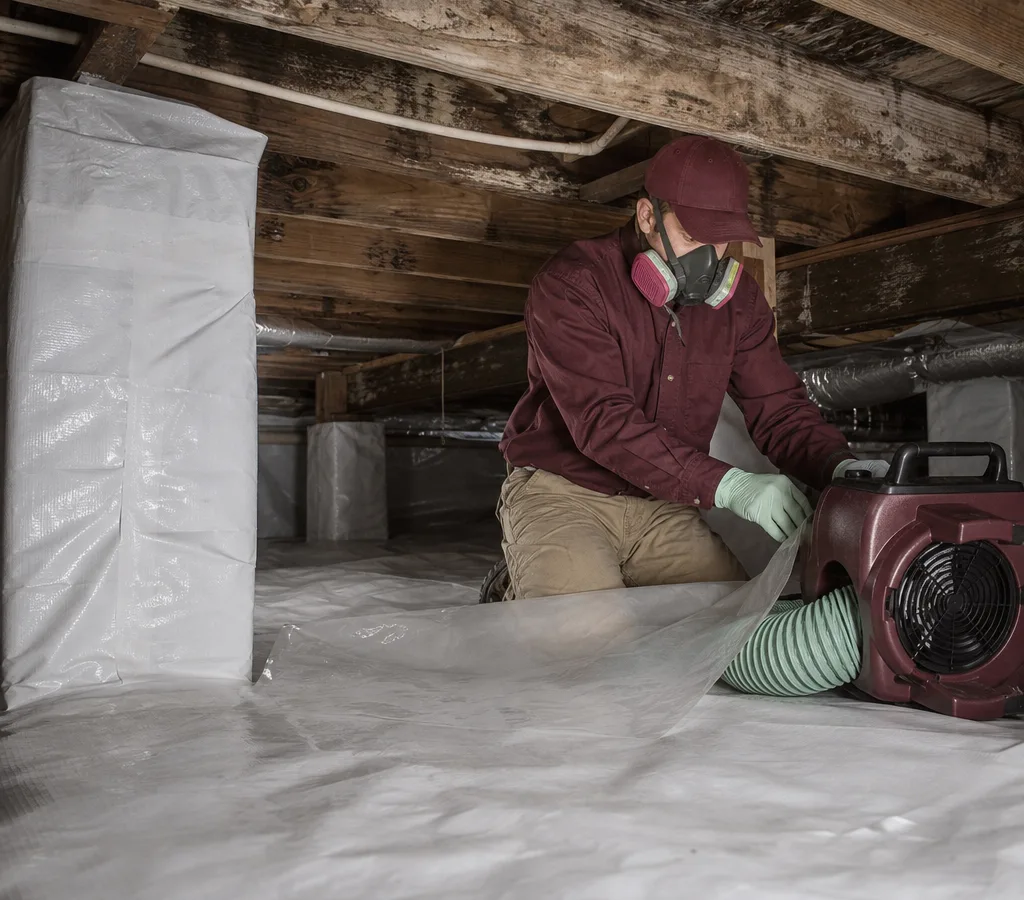
Removal scope
If you're searching for crawl space mold removal Indianapolis, you're usually dealing with two problems at once: mold on wood and surfaces, and the moisture that keeps feeding it. A proper crawl space mold job addresses both so the space can stay dry enough that mold doesn't return.
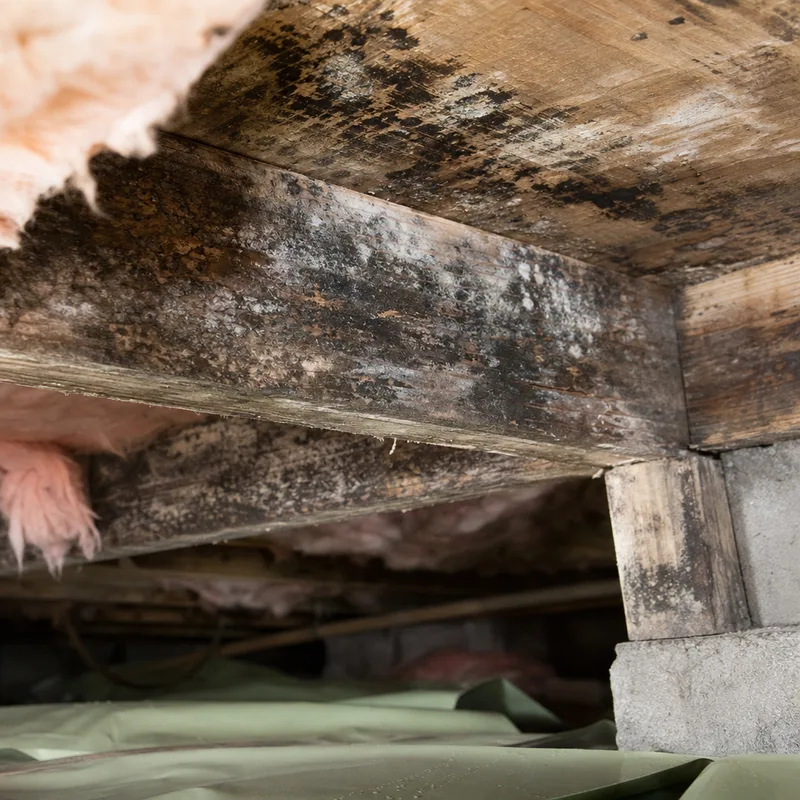
A local contractor typically starts by confirming where the moisture is coming from. In Indianapolis homes, crawl spaces often see damp conditions after heavy rains and during humid stretches, especially when downspouts discharge near the foundation or the soil floor is uncovered. The mold itself might show up on joists, sill plates, subflooring, duct insulation, or stored items.
Here's what the work commonly includes:
What it usually does not include by default: fixing exterior grading, replacing gutters, rebuilding structural framing, or addressing a roof or plumbing issue that caused the moisture. Those can be part of the plan, but they are separate tasks that may require additional trades.
A broader view of mold issues throughout the home can help you understand how crawl space cleanup and moisture control fit into the overall plan.
One call, a clearer path
Direct connection
Tell us what you're seeing and smelling, where the access is, and whether you've had water under the house. We use that to connect you with a contractor who takes on crawl space mold jobs.
You're connected with an independent contractor who works in the Indianapolis area and understands common crawl space layouts found in Central Indiana housing.
The contractor explains what needs removal, what can be cleaned, and which moisture control steps matter for your crawl space.
You speak directly with the contractor, ask your questions, and decide whether to move forward based on the plan you're given.
This is about access doors, dirt floors, vapor barriers, insulation, joists, and humidity conditions under the home—not a generic mold cleanup script.
From damp conditions to a control plan
Describe where the mold is, whether there's a dirt floor, any standing water, and whether you've noticed musty odor or higher humidity indoors.
We connect you with an independent contractor who can discuss likely causes, access constraints, and what information is needed to set the scope.
The contractor typically checks for leaks, wet soil, blocked vents, disconnected ducts, condensation, and signs of long-term dampness on wood.
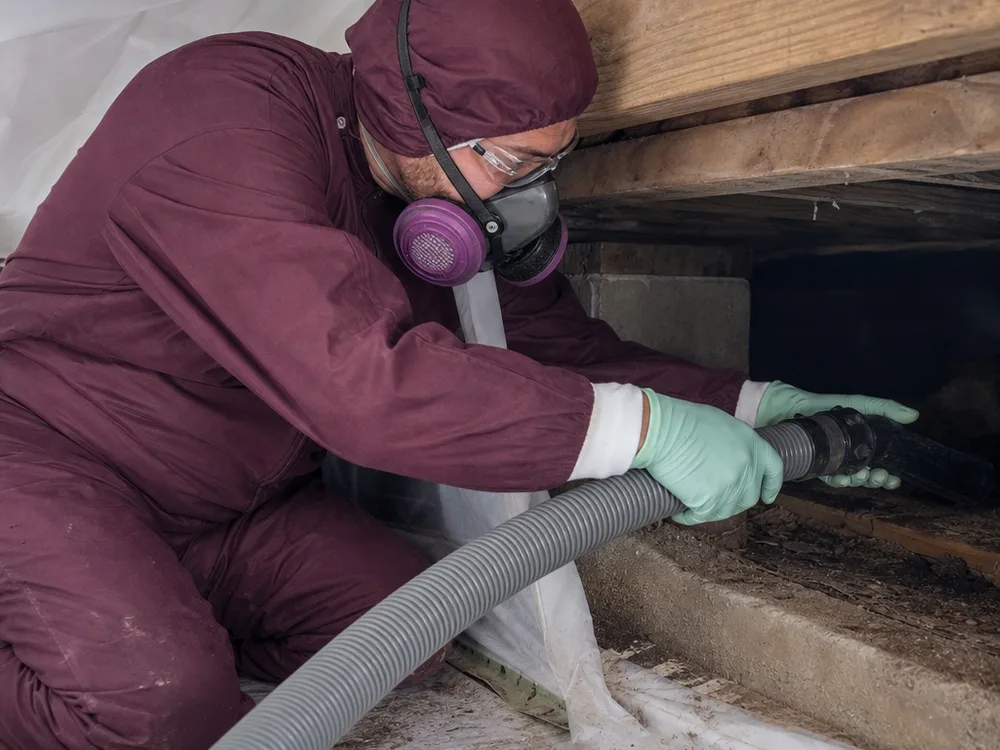
Contaminated materials may be removed and disposed of, while structural wood is cleaned using methods suited to the surface and level of growth.
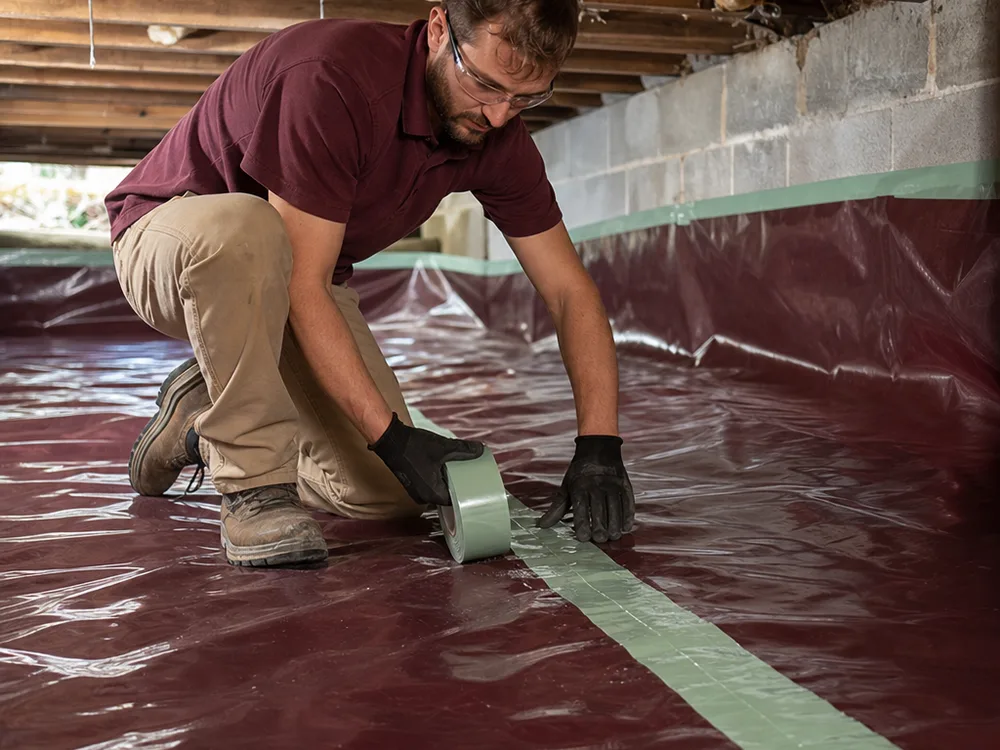
You may be advised on vapor barrier work, sealing gaps, improving drainage, and crawl space dehumidification when the space stays humid.
If you're noticing a musty odor, visible growth on joists, or damp insulation under the house, describe the situation once and get connected with a local contractor who can walk you through crawl space mold removal options.
CALL NOW: 463-223-9506Framing, soil, and moisture detail
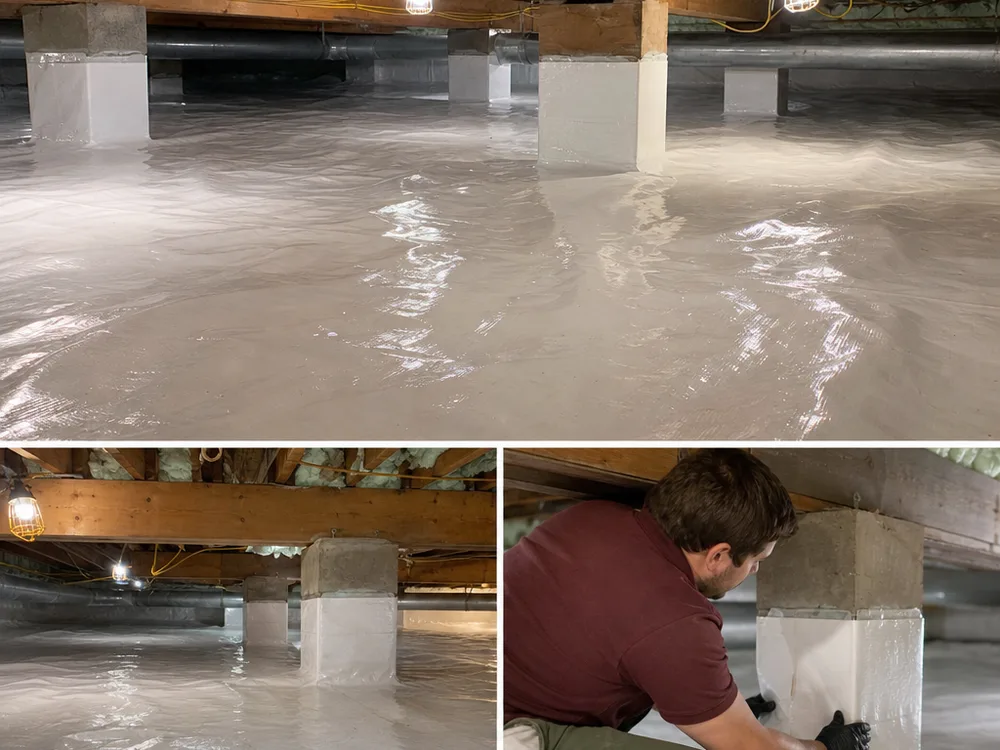
Before cleanup begins
Visible growth on wood, insulation, or stored items usually means mold removal is part of the scope, while consistently damp conditions point to moisture control that must also be addressed. A contractor will look for staining, musty odor, damp insulation, and evidence of recurring wetting before recommending the right combination of cleaning, removal, and moisture work.
Common drivers include persistent humidity, wet soil under the house, and water management issues around the foundation. Crawl spaces can stay damp if downspouts discharge near the home, the ground slopes toward the foundation, or exposed soil lacks an intact vapor barrier.
They'll usually ask what you're seeing, where it is located, whether there's standing water, how the crawl space is accessed, and whether the home has had recent plumbing leaks or drainage problems. If you can safely take photos at the access opening or inside the crawl, that often helps the conversation.
Insulation that has visible mold growth, has been soaked, or smells musty is commonly removed rather than cleaned because it can hold contamination and moisture. The contractor can explain whether insulation can be replaced after cleanup and what changes may be needed so replacement insulation performs as intended.
It can, because air movement through gaps, plumbing penetrations, and duct leaks can carry odors and particles upward. Contractors often check for obvious pathways between the crawl space and living areas and may recommend sealing steps as part of the plan.
Encapsulation typically includes a heavy-duty vapor barrier sealed at seams and edges, plus sealing and sometimes dehumidification. It is not required for every cleanup, but contractors often discuss it when the crawl space stays damp for long periods or the existing vapor barrier is missing or failing.
Indianapolis Mold Removal answers your call, takes the details about your crawl space mold situation, and connects you with a local independent contractor who handles this type of job. You then speak directly with the contractor about the scope and decide whether to proceed.
Your next step
Tell us what you've found under the house, and we'll connect you with a local contractor who can evaluate the mold cleanup needs and the moisture problem that caused it.
Not sure this is the service you need? Start on the Indianapolis Mold Removal home page to see every service we can connect you with in Indianapolis, Indiana.