Direct connection
Describe the situation once
Share what you're seeing and where it's happening, and we'll connect you with a local contractor who handles mold testing and screening work.
Serving Indianapolis, Indiana & surrounding areas
Calls answered around the clock
Mold Testing · Indianapolis
Describe what you're seeing once and we'll connect you with a local contractor who can collect the right samples and walk you through the lab results.
CALL NOW: 463-223-9506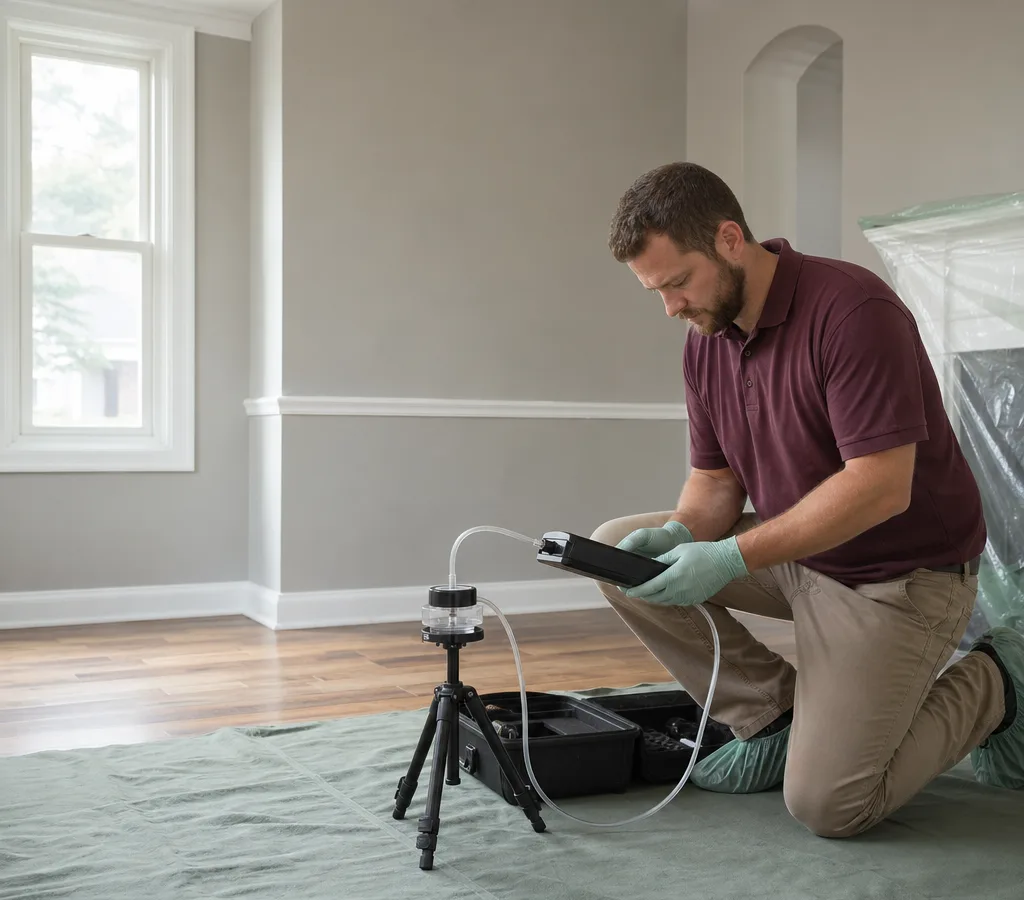
Testing scope
When you search for mold testing Indianapolis, you're usually trying to answer two questions: is there mold in the building, and where is it coming from. Good testing does not stop at a single sample or a quick look around. It combines a site check—moisture and building conditions—with targeted sampling so the lab report has context.
A local contractor can help you decide what type of testing fits your situation:
Testing can answer practical questions. If a basement air sample shows elevated spore types associated with damp building materials, that points the investigation toward likely moisture sources such as seepage, condensation on cold surfaces, or a past leak that never fully dried. If surface samples confirm growth on drywall paper, the next step often involves evaluating how far moisture traveled behind finishes.
Indianapolis homes face humid summer air, heavy rain events, and winter temperature swings that can drive condensation on poorly insulated surfaces. In older housing, past roof or plumbing leaks may also be hidden behind repairs, making it easy to chase the wrong issue without a plan.
If you already know you need remediation, a contractor can also explain what typically happens after a problem is confirmed.
One referral call
Direct connection
Share what you're seeing and where it's happening, and we'll connect you with a local contractor who handles mold testing and screening work.
Air, surface, and targeted sampling solve different problems. The contractor can explain what each method can and can't tell you.
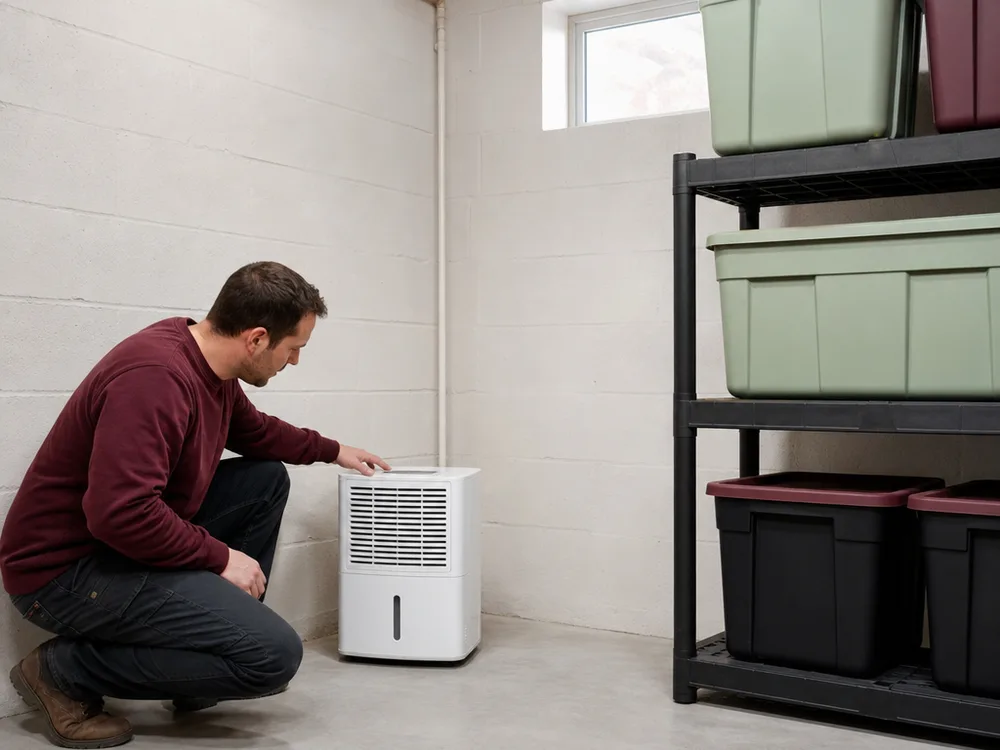
Basements, crawlspaces, and attics in Indianapolis can behave differently through humid summers and cold winters, so the investigation should match the building conditions.
A report is useful when it comes with context. The contractor can interpret results alongside moisture findings and building use.
You talk directly with the contractor, ask your questions, and decide whether to proceed with any follow-up work.
From symptoms to lab context
The contractor will ask where you notice odors or staining, whether anyone has allergy-like symptoms, and what parts of the home are affected.
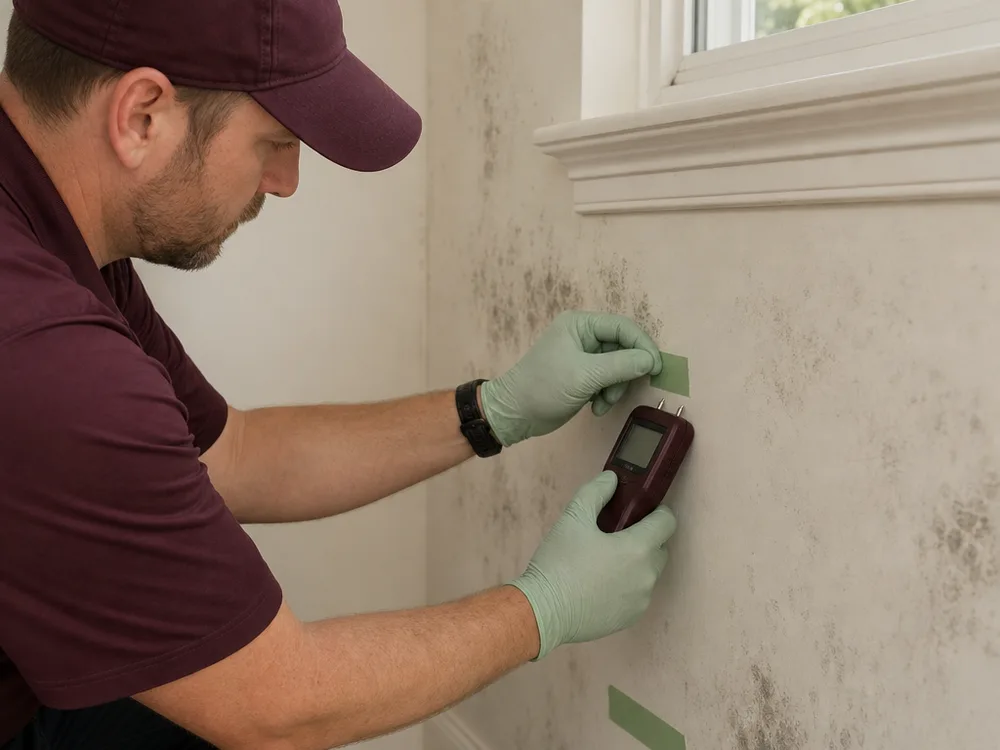
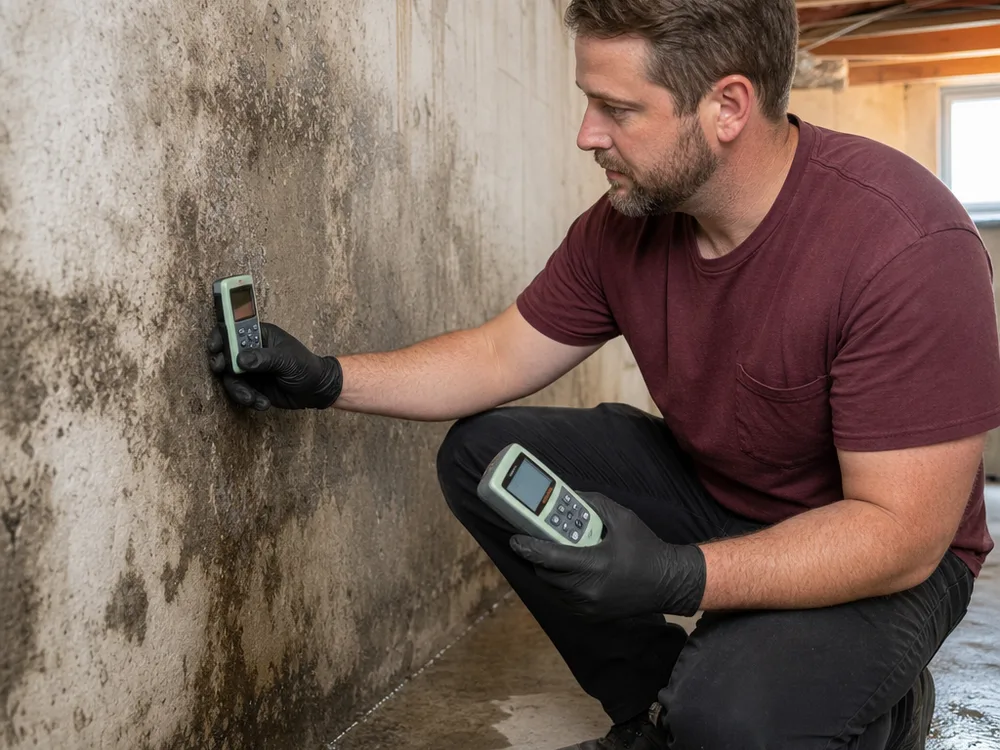
The visit may include looking for past leaks, checking humidity, scanning suspect areas with a moisture meter, and noting ventilation issues.
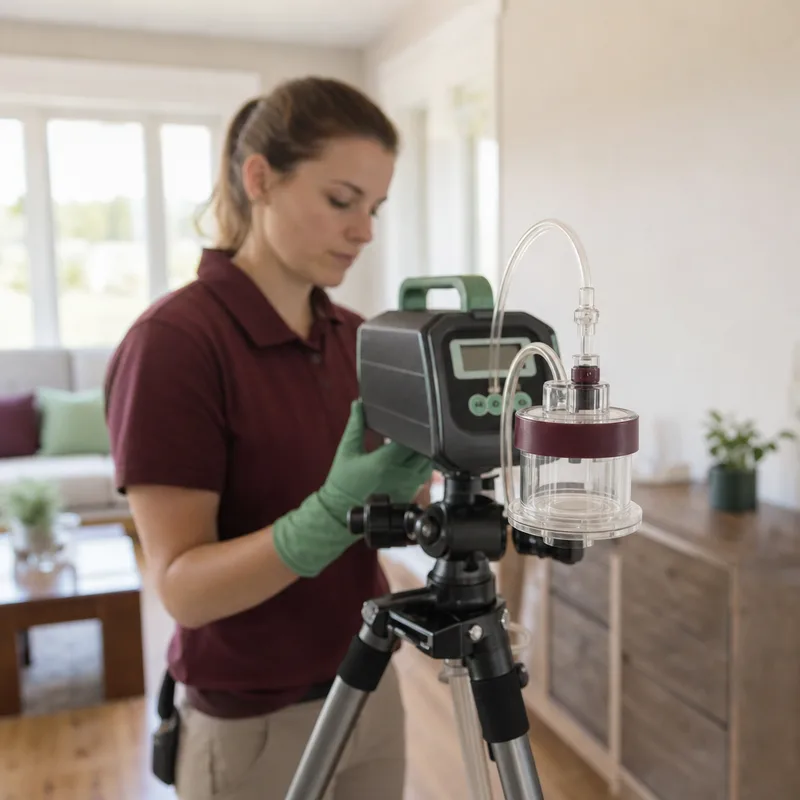
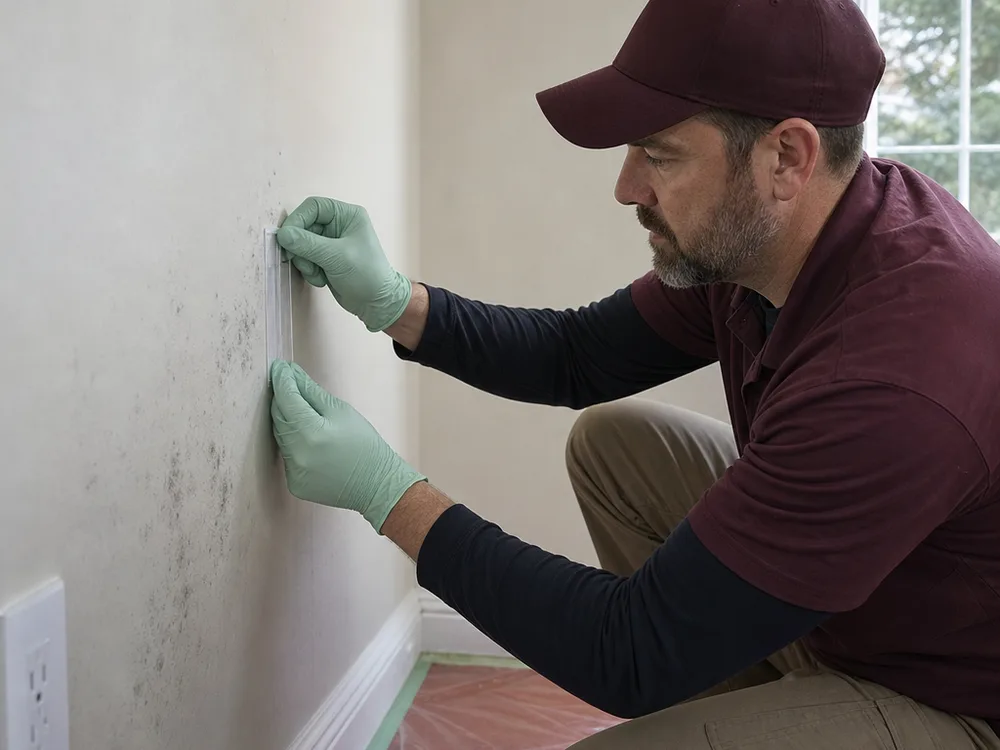
Sampling is planned around likely sources and airflow, including key indoor rooms, an outdoor control, and surfaces with visible growth or staining.
Samples are labeled and handled for analysis. Reports typically list spore types and quantities or growth identification for surface samples.
The contractor can explain the numbers, compare indoor findings with outdoors, and discuss what they suggest about moisture or affected materials.
If you're trying to decide whether a musty odor or staining is a mold issue, describe what's going on once and we'll connect you with a local contractor who can test the right areas and explain the lab report.
CALL NOW: 463-223-9506Sampling and moisture detail
Before testing
Have the location, timing, and any recent water events ready: which rooms, when you first noticed the odor or staining, and whether there was a leak, overflow, roof issue, or basement seepage. Mention whether the problem seems seasonal or appears after rain.
Air testing helps when you suspect hidden mold or want to compare indoor air with an outdoor baseline. Surface samples help identify visible growth or staining. A contractor will usually decide based on what's visible, where people spend time, and whether moisture readings suggest wet materials behind finishes.
An outdoor sample provides a reference because mold spores are naturally present outside. Comparing indoor findings with outdoor conditions helps indicate whether an indoor space looks typical for the day or suggests an indoor source tied to damp materials.
Yes. Mold can grow behind drywall, under flooring, inside insulation, or on the back side of materials where moisture is trapped. Investigation often focuses on moisture pathways first, then uses targeted sampling when it helps confirm what's happening.
Most visits involve inspection, moisture checks, and sample collection in specific rooms, plus an outdoor control sample. You usually can stay home, keep pets secured, and avoid disturbing sampling areas so results reflect normal conditions.
Start by comparing indoor results with the outdoor control and ask what spore types were found, where samples were taken, and what building conditions were observed. A contractor can interpret whether the findings suggest an indoor source, ventilation issue, or past moisture event.
Next steps usually include finding and fixing the moisture source, identifying affected materials, and deciding whether containment and material removal are needed. The contractor can also explain what questions to ask about the cleanup scope.
Indianapolis Mold Removal is a referral service. We take your call, note the details, and connect you with a local contractor who performs the mold testing and explains the results. You speak with the contractor directly and decide how to proceed.
Your next step
Explain where you're noticing odors, staining, or dampness, and we'll connect you with a local contractor for mold testing in Indianapolis who can collect the right samples and walk you through the lab results.
Not sure this is the service you need? Start on the Indianapolis Mold Removal home page to see every service we can connect you with in Indianapolis, Indiana.