Direct connection
Describe it once
Explain where you're seeing growth, what got wet, and how long it's been going on. We use that to connect you with a contractor who handles this type of job.
Serving Indianapolis, Indiana & surrounding areas
Calls answered around the clock
Mold Remediation · Indianapolis
Describe what you're seeing once and get connected with a local contractor who handles containment, removal, and cleanup for mold problems in Indianapolis-area homes and buildings.
CALL NOW: 463-223-9506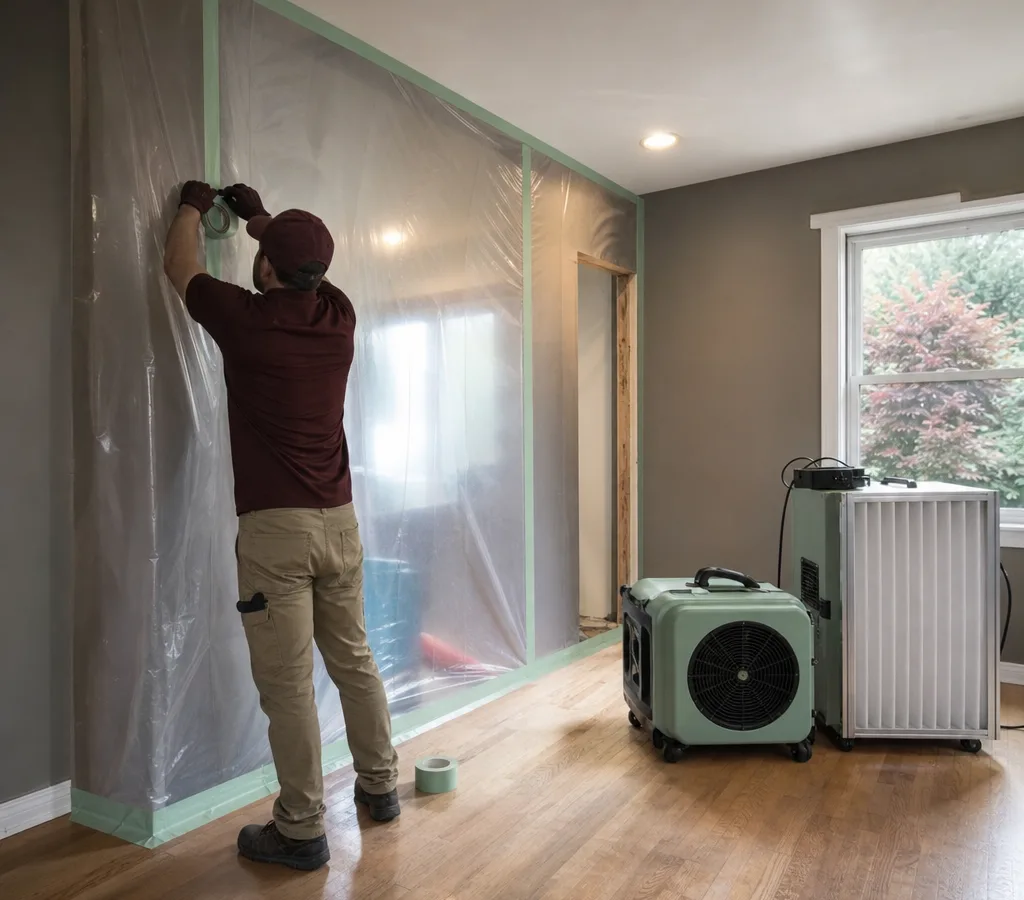
Remediation scope
Mold remediation is the controlled process of stopping mold from spreading, removing contaminated materials when needed, cleaning remaining surfaces, and addressing the moisture that allowed growth in the first place. Spraying a visible spot with a household cleaner can make it look better, but it does not manage airborne spores, hidden growth, or damp building materials.
If you're searching for mold remediation Indianapolis homeowners can rely on, it helps to know what a contractor is actually doing on site:
Indianapolis sees humid summer weather and big seasonal swings. Condensation on cool surfaces, damp basements, and slow-drying building cavities can turn a small leak into a recurring mold issue. A good remediation plan treats both the visible growth and the damp conditions behind it.
Serious odor, recurring staining, or a leak that wetted drywall or insulation can indicate that a full remediation approach is more appropriate than surface cleaning.
Indianapolis Mold Removal connects callers with independent local contractors who do mold remediation work in Indianapolis and nearby communities. You describe the situation once, then speak directly with the contractor who can evaluate next steps.
A simpler remediation connection
Direct connection
Explain where you're seeing growth, what got wet, and how long it's been going on. We use that to connect you with a contractor who handles this type of job.
Indianapolis has older plaster-and-lath homes, mid-century builds, and newer construction. The approach can differ depending on wall systems, basements, and ventilation.
Some situations call for limited removal, while others require wider containment and demolition. The contractor can talk through what they would check first.
You talk to the contractor directly, ask questions about scope and what they recommend, and decide whether to move forward.
Whether the concern is a basement, crawl space, rental unit, office suite, or retail back room, the contractor can advise on next steps for that space type.
From evaluation to rebuild
The contractor asks where the problem is, what caused moisture, and what materials were affected. On site, they look for the extent of impact and likely hidden areas behind drywall, under flooring, or in insulation.
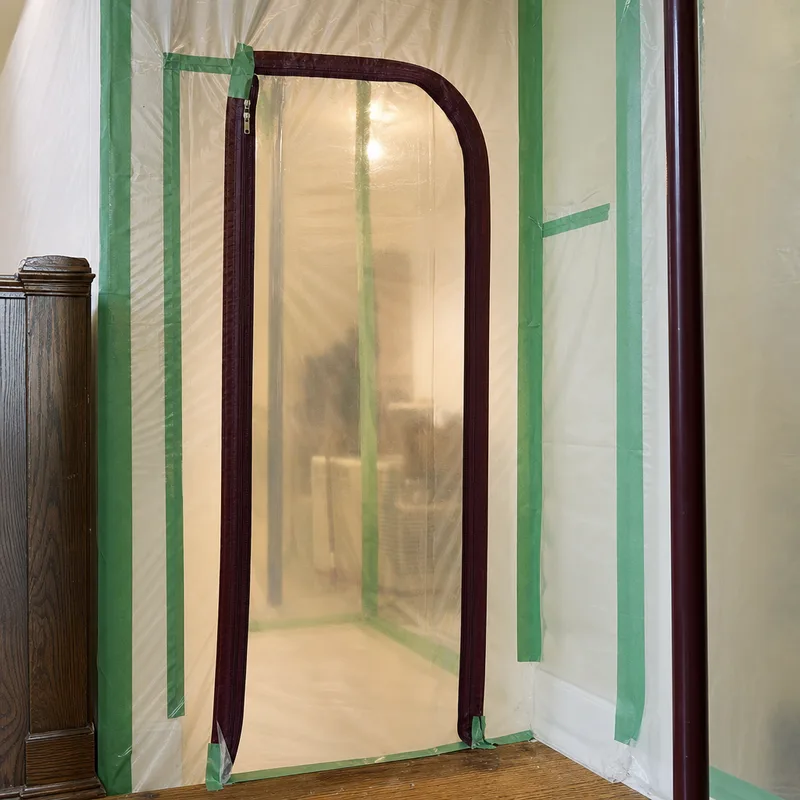
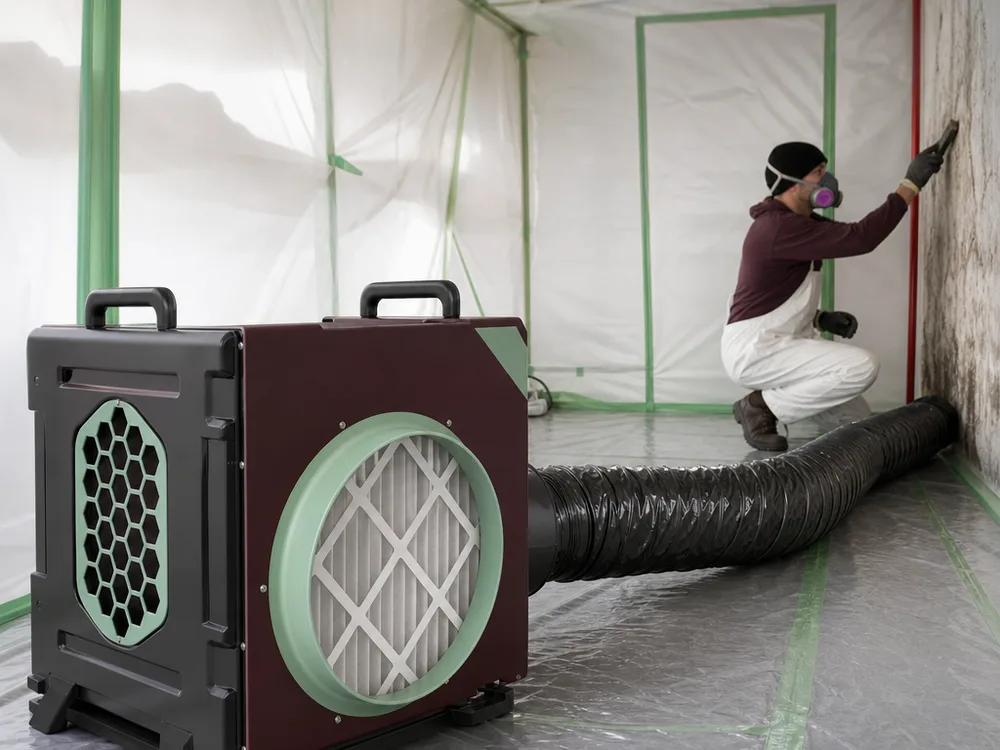
Before anything is disturbed, the contractor sets boundaries for the work area, protects pathways, and establishes containment. For larger jobs, negative air and controlled entry can be part of the setup.
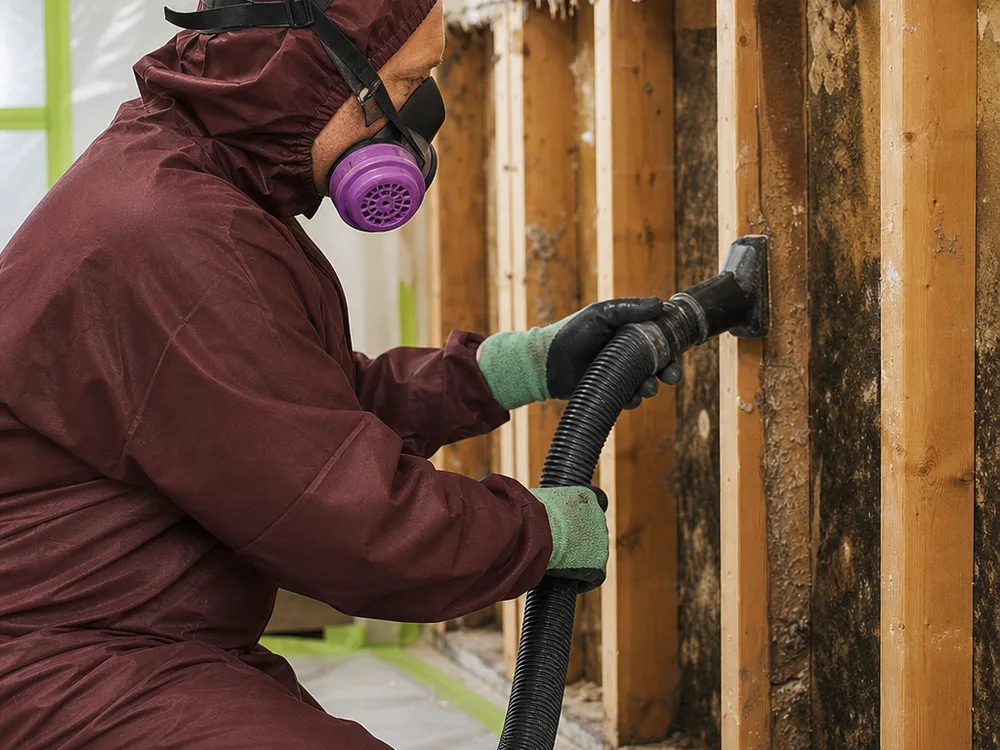
Unsavable porous materials are removed and bagged through controlled pathways. Remaining surfaces are typically HEPA-vacuumed and cleaned, while salvageable contents may be cleaned under containment protocols.
Drying equipment may run while repairs stop the moisture source. If plumbing or roof work falls outside the remediation scope, the contractor can explain what needs to happen to reduce repeat growth.
After the area is clean and dry, the contractor explains what is ready for rebuild—including drywall, insulation, or flooring—and what follow-up makes sense.
If you're seeing staining, musty odors, or materials that stayed wet, a short phone call can get you connected with a local mold remediation contractor who can evaluate the scope and talk through options.
CALL NOW: 463-223-9506Before remediation begins
If building materials were wet for more than a short time, there is a persistent musty odor, or the same area keeps returning after cleaning, remediation is often the next step. A contractor will ask what got wet and whether the moisture source is fixed because hidden damp material is a common reason problems return.
Be ready to describe the location, approximate size of the affected area, recent water events, and how long the problem has been present. Photos and information about whether people are avoiding the area can help the contractor consider containment needs and access.
It depends on where the work is and how containment is set up. Some isolated work zones allow homeowners to remain elsewhere in the house, while other situations make it simpler to be away. The contractor can explain what they recommend for your layout and who should avoid the area.
Common triggers include basement dampness, foundation seepage after heavy rain, plumbing leaks inside walls, bathroom venting issues, and roof leaks that wet insulation or ceilings. Seasonal humidity can also contribute where cool surfaces collect condensation.
Colonized porous materials are often removed because mold can grow where cleaning cannot reach. Non-porous surfaces can often be cleaned and HEPA-vacuumed. The contractor considers the material type, how long it stayed wet, and whether growth is visible or suspected behind the surface.
Testing is not always necessary when there is visible growth or clear water damage because the work plan still centers on containment, removal, cleaning, and moisture correction. Testing may help with documentation or when the source and extent are unclear. The contractor can discuss whether it would change the scope.
You call, describe what's happening, and we match your situation to an independent local contractor who handles mold remediation work. From there, you speak directly with the contractor about what they see, what the scope may include, and whether you want to proceed.
Your next step
Describe where the mold is showing up, what got wet, and what you've already done. You'll be connected with a local contractor who can take it from there and explain the next steps.
Not sure this is the service you need? Start on the Indianapolis Mold Removal home page to see every service we can connect you with in Indianapolis, Indiana.