Airflow control
Containment before cleanup
The contractor should explain how rooms will be isolated and how air movement will be managed so spores don't spread through return vents, hallways, or stairwells.
Serving Indianapolis, Indiana & surrounding areas
Calls answered around the clock
Mold Removal · Indianapolis
Describe what you're seeing once and get connected with a local contractor who handles containment, cleanup, and remediation steps for mold.
CALL NOW: 463-223-9506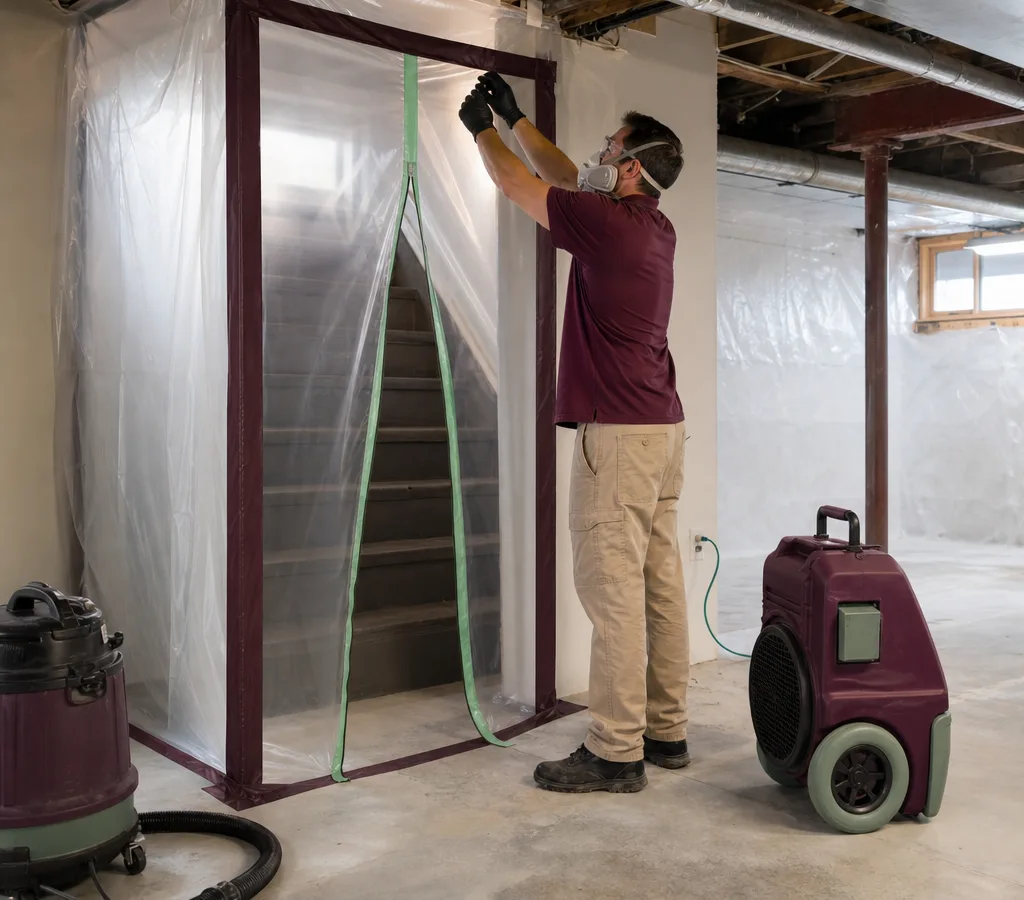
Remediation scope
Searching for black mold removal Indianapolis usually means you've found dark staining, a musty odor, or worsening allergy-like symptoms in a specific area of the home. Reputable remediation is a controlled process: the goal is to stop mold from spreading while contaminated material is removed or cleaned, and then correct the moisture problem that let it grow.
A local contractor typically starts by identifying the affected materials and likely moisture source. In Indianapolis homes, common trouble spots include basements and crawlspaces after heavy rains, bathroom walls around showers and tubs, and attics where ventilation and insulation issues can lead to condensation. Older homes can also have multiple remodel layers that hide slow leaks behind tile, paneling, or finished basement walls.
From there, the work usually breaks into practical parts:
Mold that returns after cleaning, growth on drywall or insulation, or staining that follows a water event usually calls for professional remediation rather than surface wiping.
When you call, you can provide a short description of the situation and get connected with a local contractor who works on mold remediation in the Indianapolis area. You'll speak with the contractor directly about next steps and scheduling.
A controlled remediation plan
Airflow control
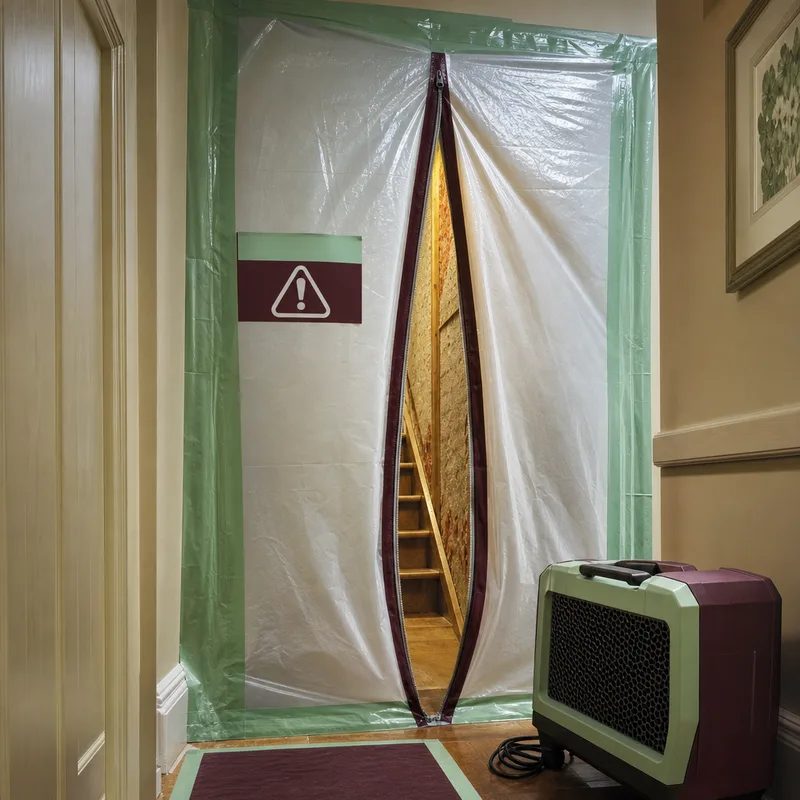
The contractor should explain how rooms will be isolated and how air movement will be managed so spores don't spread through return vents, hallways, or stairwells.
Drywall, insulation, and carpet backing often require removal when mold is established, while framing and concrete can sometimes be cleaned and dried when structurally sound.
A remediation plan should point to the cause: leaks, seepage, condensation, or humidity. Without a correction, mold commonly returns.
Expect the contractor to define what is included: demolition, cleaning, drying, debris handling, and what comes afterward. Repairs and rebuilding are often separate.
Dust control, sealed pathways, and careful removal methods help protect the rest of the home during work, especially when the affected area is near bedrooms or HVAC returns.
From the first call to cleanup
You describe where you see growth, which rooms are impacted, and any recent water event. That context is used to connect you with a local contractor who handles this type of job.
The contractor checks the visible area and likely adjacent spaces, asking when the issue started, whether surfaces were cleaned or painted, and whether HVAC ran during the water event.
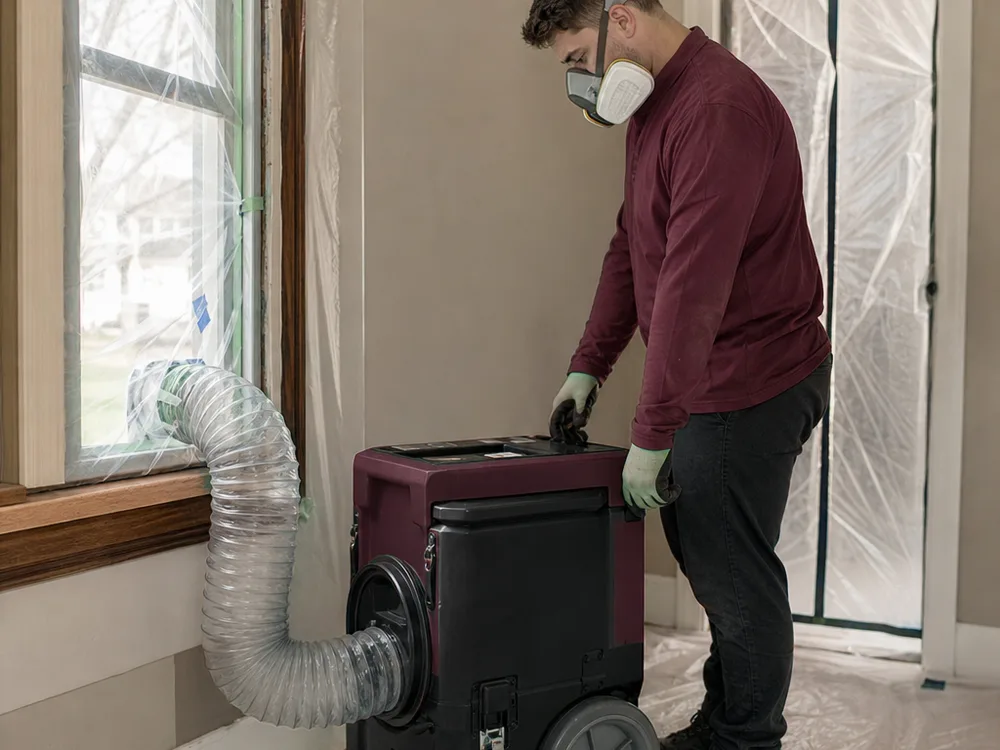
Work areas are isolated with plastic barriers. HVAC registers in the zone may be sealed, and negative air machines may be used to keep particles from traveling.
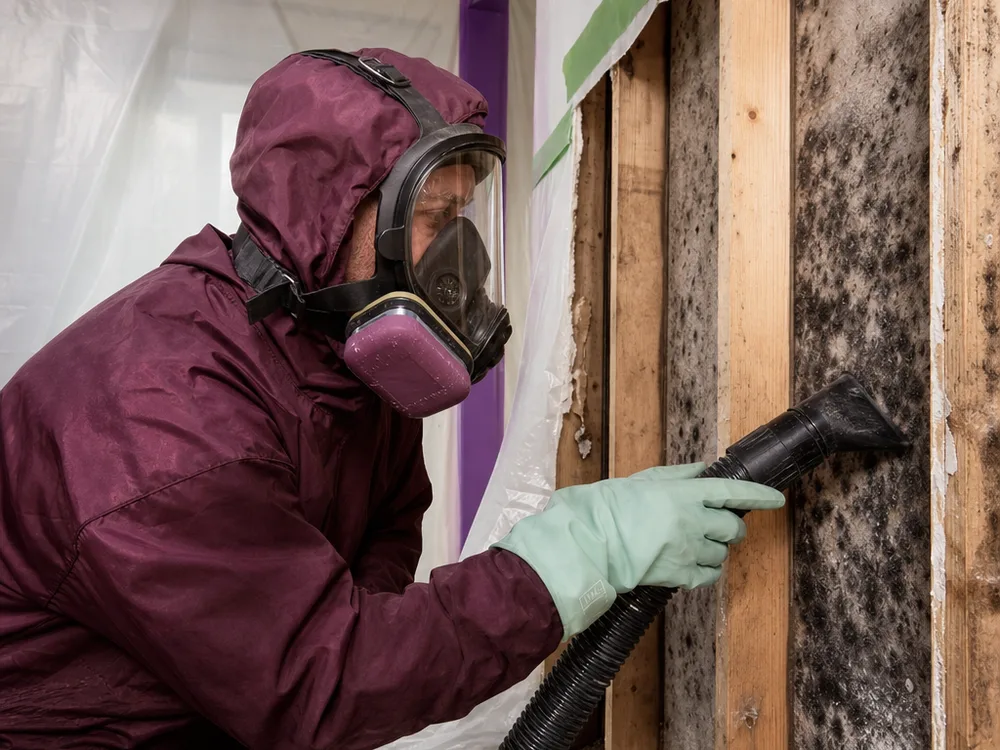
Damaged porous material is removed and bagged inside containment. Remaining surfaces are HEPA vacuumed and cleaned while air filtration continues during dusty work.
Drying is targeted to materials such as wood framing, concrete, and subflooring. An active moisture source generally needs attention before walls are closed again.
After cleanup, the space is rechecked and cleaned again as needed. The contractor can explain reconstruction needs and what to watch for so mold does not return.
If you're dealing with visible growth or a persistent musty smell, describe the affected area once and get connected with a local Indianapolis contractor who can evaluate the scope and talk you through remediation options.
CALL NOW: 463-223-9506Containment and cleanup detail
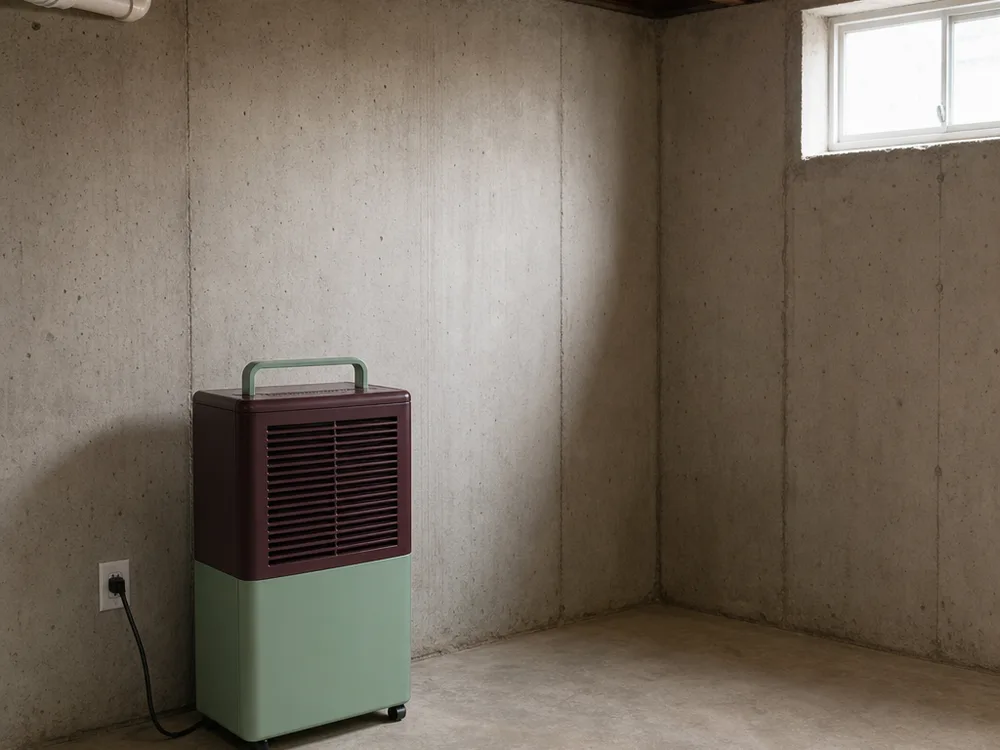
Before removal begins
No, color alone does not identify the species of mold. Many molds can look dark on drywall, wood, or grout, and soot or water staining can also appear black. A contractor typically focuses first on the extent of contamination and the moisture source because those drive the remediation plan.
Leave the area as undisturbed as you can and avoid running fans that blow directly across visible growth. Note when you first noticed the issue, any recent leaks or overflows, and which rooms share walls or ceilings with the affected spot.
Often, yes. Mold is frequently larger behind the surface than what is visible on drywall or baseboards. In basements and finished lower levels, contractors commonly check behind stored items, inside utility rooms, and around rim joists or exterior foundation walls where moisture can enter.
Sometimes, depending on what the mold is growing on and how deeply it has penetrated. Non-porous surfaces may be cleaned and dried, while colonized porous materials are commonly removed because they cannot be reliably restored. The contractor can explain what may remain and what needs removal.
Containment keeps disturbed spores and dust inside the work zone instead of letting them drift through doorways and HVAC returns. HEPA filtration captures very small particles from the air. These controls are especially important when material is cut out, bagged, or moved.
Start with the location of the mold, the approximate size of the affected area, and what you think caused it, such as rain seepage, a plumbing leak, a roof issue, or long-term humidity. Mention concerns about occupants with allergies or asthma so that context can be passed to the contractor.
Not always. Many jobs proceed based on visible growth and moisture conditions, with the priority on controlled removal and drying. If you are deciding between possible causes, documenting a claim, or cannot locate the source, the contractor may suggest sampling or working with an indoor environmental professional.
Your next step
Call and describe what you're seeing, where it is, and what happened before it showed up. We'll connect you with a local contractor in Indianapolis who can take it from there and explain the remediation steps for your situation.
Not sure this is the service you need? Start on the Indianapolis Mold Removal home page to see every service we can connect you with in Indianapolis, Indiana.